


Copyright © 2025 Greenster


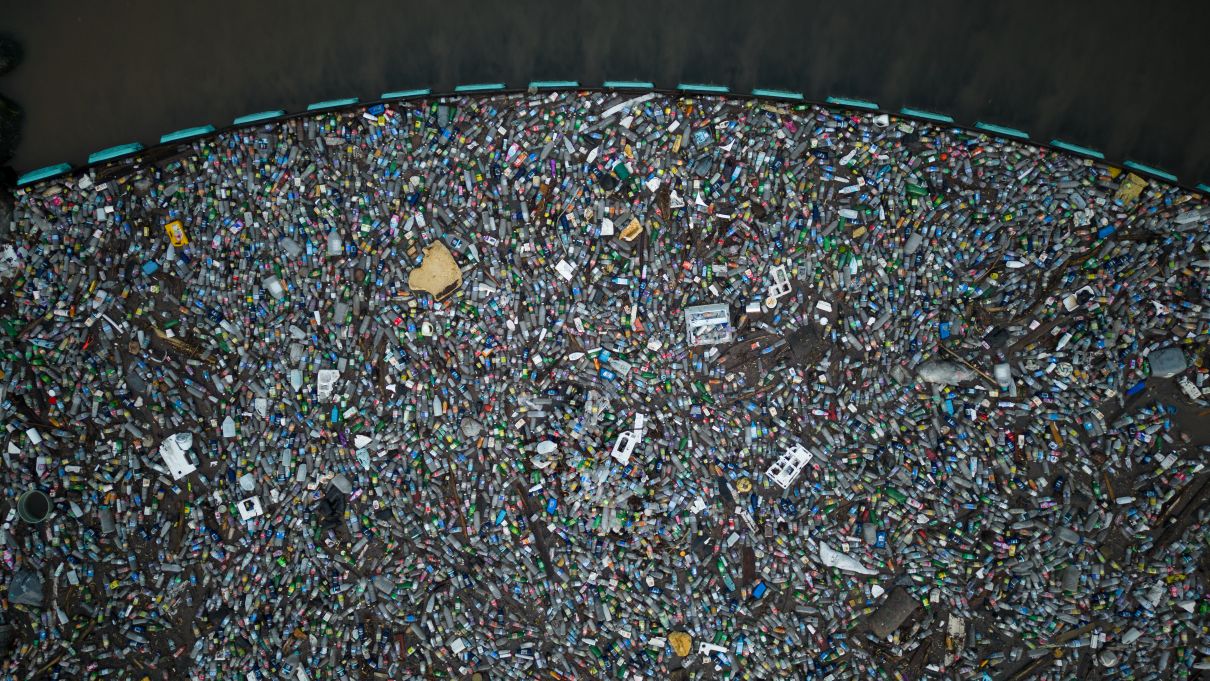

There’s no shortage of bad environmental news to choose from. Every week brings new records, new warnings, and new reminders of how much pressure we’re putting on the planet. Some projections have even suggested that, if plastic pollution continues unchecked, the ocean could contain more plastic than fish by weight within a few decades. So for the end of 2025, we wanted to do something slightly different. Instead of another story about what’s going wrong, we’re highlighting one non-profit organization that has made a measurable contribution to the most important ecosystem we have: the ocean.

The ocean regulates the climate, absorbs enormous amounts of carbon dioxide, and produces more than half of the oxygen we breathe. It supports marine biodiversity, feeds billions of people, and underpins coastal economies around the world. Yet it is under constant threat from plastic pollution. Millions of tonnes of plastic circulate through marine environments, breaking down into microplastics that persist for decades and move through food chains. Much of this waste collects in ocean gyres, while new plastic continues to enter the sea every single day via rivers and coastlines. For years, the sheer scale of the problem made meaningful cleanup feel out of reach. That perception is changing, largely due to the work of The Ocean Cleanup.
In 2025, The Ocean Cleanup delivered its most impactful year to date. Over the course of the year, the organization removed or intercepted more than 25 million kilograms of plastic, setting a new annual record. This pushed the total amount of plastic removed from oceans and rivers - or prevented from entering them - past 45 million kilograms since operations began. These results were driven by a continued focus on efficiency, with teams working across laboratories, rivers, coastal zones, and the Great Pacific Garbage Patch itself to refine cleanup systems using real-world data. The outcome was simple but significant: more plastic removed, more consistently, at a growing scale.
Preventing plastic from reaching the ocean has become just as important as removing what’s already there. Rivers remain one of the primary pathways for plastic pollution, carrying waste from land into marine ecosystems. In response, The Ocean Cleanup launched its 30 Cities Program in 2025 at the United Nations Ocean Conference in Nice. The program targets some of the world’s most polluted urban waterways and aims to prevent up to one-third of all river-borne plastic pollution from entering the ocean by 2030. This effort is supported by the Smart River Survey, a new tool designed to translate complex environmental data into clear, actionable cleanup plans and guide large-scale river interventions.
Science and data are also shaping impact beyond cleanup operations. In 2025, The Ocean Cleanup expanded its use of ADIS, the Automated Debris Imaging System, which identifies and maps plastic pollution at sea and strengthens the global plastic tracking database. This growing body of data has informed international policy discussions, including negotiations related to the Global Plastics Treaty, supporting efforts to improve regulation of plastic waste and discarded fishing gear. While policy change takes time, the organization continues to operate at scale, pairing direct action with evidence that helps decision-makers respond to the problem more effectively.
Stay in the loop
Stay
0 Comments